
From Cotswold Soil to Jeff Bezos’ Cart: Why Kaleb Cooper’s Amazon Shop is a Betrayal of the British High Street
He became Britain’s favourite young farmer preaching rural grit and local pride. Now Clarkson’s Farm star Kaleb Cooper is boasting about his new Amazon shop—proving that when celebrity beckons, the local high street is the first thing thrown under the tractor.
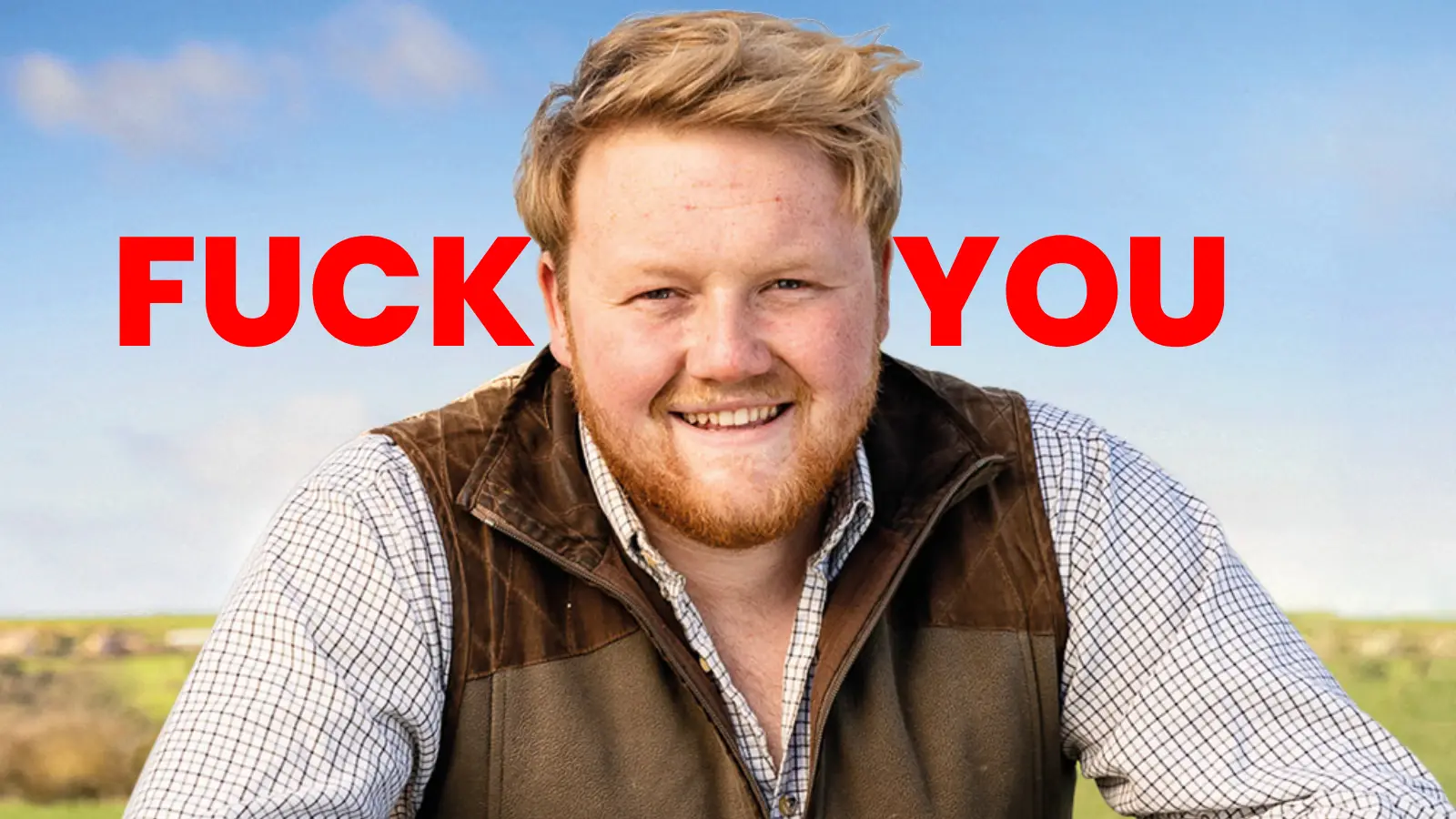
CHIPPING NORTON, OXFORDSHIRE — For four seasons of television, Kaleb Cooper has been held up as the beating heart of rural Britain. In Clarkson’s Farm, the straight-talking young contractor became a national folk hero—the quintessential countryside lad who famously avoided leaving his native Oxfordshire, swore by the sanctity of British soil, and preached the vital necessity of backing local farmers and independent rural trade.
Millions of British viewers fell in love with him precisely because he seemed incorruptible. In a country hollowed out by corporate homogenisation, sterile supermarkets, and distant tech monopolies, Kaleb represented the antidote: mud on the boots, an honest day’s graft, and unyielding loyalty to the local parish.
Which makes his latest video announcement not merely disappointing, but a textbook illustration of why provincial Britain is dying.
Beaming to the camera, Kaleb announced that he had “done a thing”: opening his brand-new official Amazon shop to sell his personal merchandise. Hoodies, caps, branded apparel, and memorabilia—all fed straight through the digital infrastructure of Seattle-based multinational behemoth Amazon.
Not a shop on Chipping Norton High Street. Not a cooperative partnership with independent British clothing workshops. Not a distribution model that employs local young people in Oxfordshire or pays business rates into a cash-strapped district council. No. An Amazon storefront.
The Great British Sellout: From Soil to Silicon
It is difficult to overstate the hypocrisy of a media personality who built his entire public reputation on championing the struggling British countryside, only to partner with the very entity that has done more to dismantle independent British retail than almost any corporation in modern history.
For years, Clarkson’s Farm has exposed the brutal realities of running a rural business in Britain: bureaucratic red tape, crippling inflation, the struggle against cut-price imports, and the desperate need for consumers to buy British produce directly from source. Audiences rallied around the Diddly Squat farm shop precisely because it symbolised a refusal to bow to the supermarket conglomerates.
Yet when it came time to commercialise his own personal brand, all that rhetoric evaporated into thin air. Instead of keeping the transaction direct and local, Kaleb chose the path of least resistance and maximum algorithmic convenience: handing his customer base over to Jeff Bezos.
“When our supposed champions of the soil choose an American algorithm over a British high street, what hope is left for the independent shopkeeper fighting to keep the lights on?”
Britain Direct Editorial Analysis
The Economic Reality: Amazon vs The British High Street
To understand why this matters, one must examine the stark economic divide between a physical British merchant and an Amazon storefront:
- Town Business Rates vs Distribution Sheds: An independent brick-and-mortar retailer on an English high street pays punishing commercial business rates—often running into tens of thousands of pounds per year. That money directly funds local district councils, road resurfacing, rural policing, and bin collections. Amazon operates from out-of-town industrial distribution sheds that pay a fraction of the rates per square metre relative to revenue.
- Local Employment & Wage Circulation: When a local business sells merchandise, the profit margins pay wages to counter staff, local delivery drivers, and town accountants. Those workers buy their pints in the village pub, purchase sausages from the local butcher, and pay for haircuts down the street. When you buy through Amazon, profits are extracted offshore to Luxembourg or Seattle, while the domestic footprint consists of algorithm-driven warehouse shifts and gig-economy courier routes.
- Domestic Supply Chains: An authentic champion of British craft would source garments from historic British textile mills—in Lancashire, the Scottish Borders, or the Midlands. While mass-market Amazon merchandise is almost invariably white-label overseas apparel stamped with a logo, British independent workshops struggle to compete against cheap imports promoted by the very celebrities claiming to back local trade.
The Media Playbook: Idolise, Elevate, Monetise
This episode exposes the recurring tragedy of British media culture. The British public is starved of genuine, unvarnished, working-class representation. When someone like Kaleb Cooper comes along—knowledgeable, humorous, deeply rooted in his trade—the public embraces them with open arms.
Viewers invest real emotional energy into the cause. They believe they are supporting an authentic champion of the British high street and the smallholder.
But the modern British celebrity machine has only one endgame: turning authentic cultural capital into corporate click-commissions. The moment the royalties and affiliate partnerships are placed on the table, the local community is quietly discarded. The celebrity gets their cut, the multinational platform takes the lions share of the margin, and the local high street sinks a little further into irrelevance.
Stop Worshipping False Champions—Back Real Independent Makers
Britain is not falling because our tradespeople and farmers lack skill or work ethic. It is failing because the institutions and individuals we elevate to national prominence consistently sell out the domestic economy the second big money beckons.
If Kaleb Cooper genuinely wanted to support local business with his merchandise, the playbook was obvious:
- Open a physical retail presence or pop-up in an Oxfordshire market town that employs local staff and pays local rates.
- Partner with an independent British heritage textile manufacturer to weave and print the garments in the UK.
- Distribute through independent farm shops, country clothing stores, and rural merchants across Britain, sharing the footfall and the margin.
Instead, we got an Amazon storefront.
It is time British consumers stopped looking to television celebrities to save our domestic economy. The survival of British craft, farming, and town centres will not come from billionaire streaming platforms or their monetised stars. It will come from ordinary Britons making the conscious, disciplined choice to bypass the algorithms, close the Amazon tabs, and spend their pounds directly with verified, independent British makers.
Support Authentic British Enterprise
Every business in our directory is checked to ensure authentic UK roots, direct contact details, and no drop-shipping or deceptive middlemen.
Spotted a Brand Misleading Shoppers?
If you know of a brand falsely claiming to be made in Britain while producing overseas, let our watchdog desk know so we can keep shoppers informed.
Report a Misleading Brand to the Watchdog →