The pandemic accelerated digital adoption across every sector, but perhaps none more visibly than retail. Click-and-collect, endless aisle apps, and one-hour delivery reshaped expectations. Yet, as UK high streets reopen and inflation pressures ease, a quiet reversal is underway: shoppers are rediscovering the physical store. The challenge for independent retailers and national chains alike is that the bar for in-store experience has been raised. A tidy shop with a laminated sign is no longer enough.
This guide sets out practical, affordable ways for retail businesses to improve the customer experience in person, with a focus on UK high streets, shopping centres, and local parades. It avoids gimmicks and concentrates on operational changes that actually move footfall and loyalty.
Why the In-Store Experience Matters More Now
Three years of stop-start lockdowns taught consumers that almost anything can be bought online. What they could not buy was discovery, human interaction, and a sense of place. Research from retail bodies shows that post-pandemic, shoppers are more purpose-driven when they visit a high street. They are not simply topping up the weekly shop; they seek an experience that justifies leaving home.
For independent retailers, this shift represents a commercial opportunity. A shop that offers something digital cannot replicate—sensory stimulation, personal service, community connection—can withstand competition from algorithm-driven marketplaces. However, it requires deliberate effort. Too many shops still operate as they did in 2019, with identical layouts and standardised product ranges that feel interchangeable with what a customer can see on a screen.
Improving in-store experience starts with understanding the new customer journey. Many visitors now research online before visiting, checking stock levels, opening hours, and reviews. They arrive armed with price comparisons. The store’s job is not to compete on price alone but to add layers of value: expertise, reassurance, and the pleasure of a well-chosen environment.
British shoppers also increasingly favour local, independent businesses as a reaction to globalised supply chains. This is a powerful lever. Physical retailers can source from nearby makers, host pop-ups for local artisans, or simply tell the provenance stories that a faceless marketplace never will. The result is an experience that feels curated, not commoditised.
Practical Steps to Improve the High Street Visit
Operational changes need not be expensive, but they must be intentional. Here are six areas any UK retail manager can address without major refit.
1. Audit the First Ten Seconds
A customer’s initial impression is formed before they fully enter the shop. Window displays that are static for weeks, cluttered thresholds, or doorways blocked with sale rails signal neglect. A simple weekly refresh of window props, clear sightlines into the shop, and a welcoming temperature (cool in summer, warm in winter) make an immediate difference. Retail design consultancies in the UK often offer low-cost audits for independents, focusing on kerb appeal and entry flow.
2. Train for Conversation, Not Script
Post-pandemic, many shoppers value human interaction more than before. Yet staff training frequently focuses on transaction efficiency rather than conversational skill. Encouraging teams to offer a genuine greeting, ask open-ended questions, and share product knowledge creates a hospitality feel. This is particularly effective in independent fashion, homeware, and food shops, where the line between browsing and buying can be softened by a chat. Even a simple “What brings you in today?” can reveal upsell opportunities and build rapport.
3. Make the Space Multi-Use
Floor space is costly, so making it work harder is a sound commercial move. Consider a bookshop that hosts after-hours readings, a kitchenware store running monthly cookery demos, or a clothing boutique styling evenings. These events turn a shop into a destination and generate social media content that extends reach. Local authorities and Business Improvement Districts (BIDs) often fund community events, reducing the cost for small retailers. The key is to keep ticketed or invitation-only gatherings modest to start, testing appetite before scaling.
4. Rethink Product Positioning with Storytelling
A table of scented candles is forgettable; the same table with a card explaining the chandler is based in Somerset and uses reclaimed wax is memorable. UK shoppers consistently report that provenance and sustainability influence purchase decisions. Retailers who label goods with short, human stories see longer dwell times and higher conversion. This costs nothing but a few printed cards and staff training. For established retailers, it also reinforces brand values that customers recall when shopping online later.
5. Simplify Payment and Collection
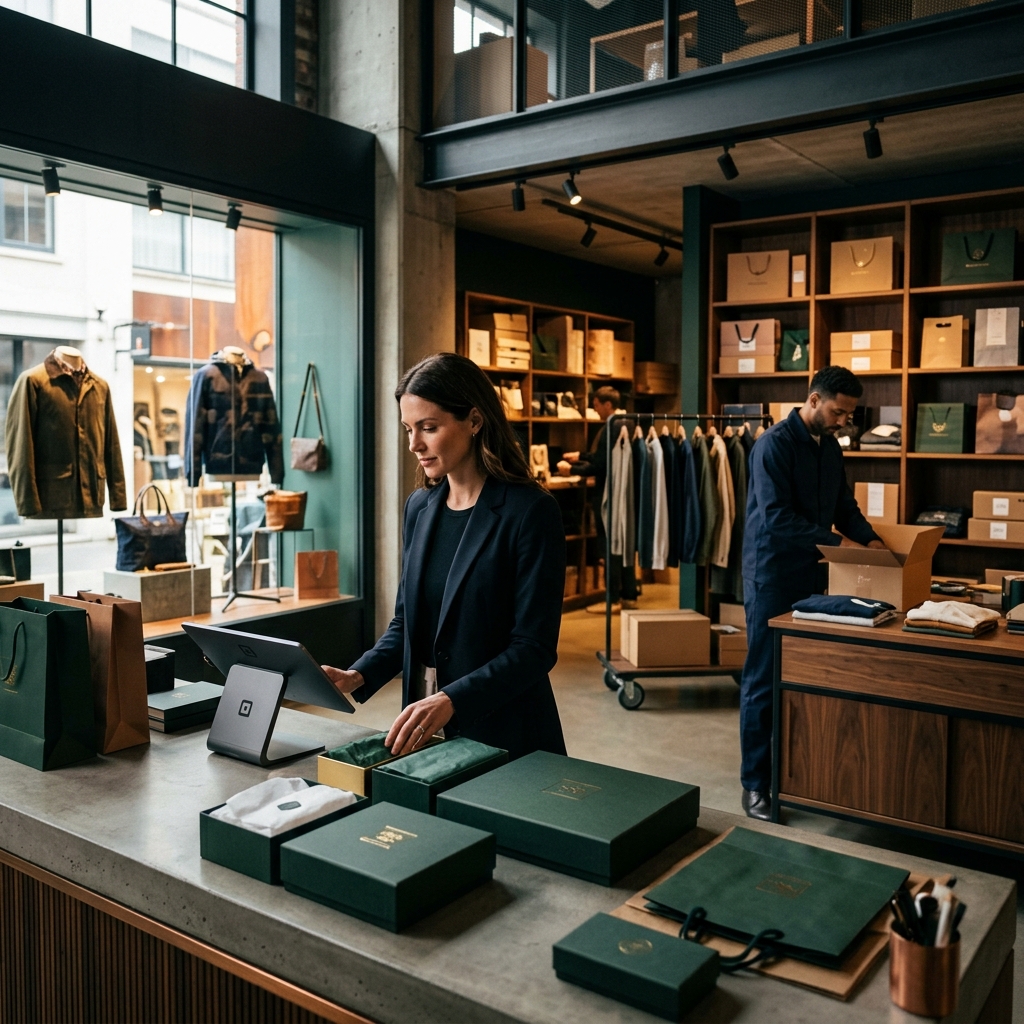
Operational friction kills experience. If a customer must queue at a single till while a staff member searches for a code, frustration builds. Mobile point-of-sale systems have become affordable, even for micro-businesses. Allowing payment anywhere on the shop floor speeds throughput and frees staff to pack items or suggest add-ons conversationally. Similarly, well-signposted click-and-collect areas with minimal wait times show respect for the customer’s agenda, converting online interest into physical footfall.
6. Use Physical Layout to Guide, Not Confuse
Supermarkets have long understood the power of layout—fresh produce near the entrance, essentials at the back. Independent retailers often neglect this psychology. Placing high-margin or story-led items near the entrance warms customers to the brand. Creating a “discovery zone” at the rear with unusual or seasonal products encourages full-store browsing. Sight lines, lighting warmth, and even floor textures influence pace. Simple adjustments, such as lowering shelf heights to improve visibility or adding a bench for companions, make the environment feel inclusive and considered.
Balancing Technology with Human Connection
Technology can enhance in-store experience if deployed with restraint. Over-digitising risks alienating the very shoppers who chose to come in person. The most effective uses of tech in UK retail post-pandemic tend to be invisible or assistive.
Inventory transparency is one example. A customer who can check on a shop’s own website whether an item is in stock before travelling is more likely to visit. Small retailers can achieve this with cloud-based POS systems that sync stock counts. It removes uncertainty and reduces the let-down of a wasted journey.
Clienteling light—using purchase history to personalise service—works well in sectors like menswear, cosmetics, and independent wine merchants. A simple database of regulars’ preferences, recorded after a transaction with permission, allows staff to say, “We’ve just had a delivery of the Malbec you liked in March.” It feels attentive, not intrusive, if handled transparently.
Sensory technology is another area. Scent diffusion piped into entryways, background playlists that match the pace of the target customer (calm for interiors, upbeat for activewear), and lighting that adjusts throughout the day all influence dwell time. Specialist UK sensory branding firms offer packages scaled for single-site retailers, making this achievable without large capital outlay.
Avoid the temptation to install large touch screens or VR headsets unless they serve a genuine purpose. Post-pandemic, customers often want less screen time, not more. Where a digital tool genuinely adds value—such as a virtual try-on for spectacles or a product configurator for bespoke furniture—it should be staff-assisted and clearly designed to solve a problem.
The Sustainable Store that Serves a Community
Improving in-store customer experience is not a one-off project. It is an operational rhythm of observation, testing, and refinement. The most resilient British retailers post-pandemic are those that treat their premises as a living part of the local economy, not a transactional shell.
For many, this means embracing sustainability in ways that are visible and credible. Eliminating single-use carrier bags, offering repair services, or running a loyalty scheme tied to reusable packaging signals values that modern consumers associate with quality. It also provides talking points for staff, deepening the customer relationship.
Community integration remains an underused lever. A shop that sponsors the local junior football team, displays artwork from a nearby school, or acts as a collection point for a food bank becomes woven into daily life. The commercial reward comes in the form of word-of-mouth recommendation and repeat visits that no online pure-play can emulate.
From an operational standpoint, start small. Pick
Practical takeaway
UK organisations should compare options against their own buyers, budgets and operating priorities. A clear brief, a realistic implementation plan and regular review will usually matter more than chasing novelty.
Read Next
Ecommerce Returns Management UK: Best Practices for Savvy Retailers
Returns are the hidden profit drain for many UK online sellers. Done poorly, they cost margin, time and customer trust. Done well, they can become a commercial lever. This guide walks through the practices that separate growth-minded retailers from the rest.
Sustainable Growth Strategies for Small UK Retailers
For small UK retailers, sustainable growth means steady profit, loyal customers, and resilience. Our guide covers revenue levers, cost control, and community-first branding.
How to Choose the Right Ecommerce Platform for Your UK Retail Business
Mapping Your Business Model and Growth Ambitions Before comparing dashboards or monthly fees, take a clear eyed look at your own retail operation. The right ecommerce platform is not simply...