
Fast Fashion Is Dying. Emello Is Building The Alternative With Real Margin.
It was highly profitable for a few years. Now, it is a commercial and environmental disaster.
Then along comes Emello.
Not with an expensive "sustainable collection" that is just greenwashed polyester. Not with high-sounding marketing manifestos about saving the planet. But with a disciplined, circular approach to design and manufacturing.
Emello produces casual luxury clothing in limited, small-batch runs. They work with ethical ateliers in Europe, using certified organic wool and low-impact dyes.
For wider context, read Sustainable Packaging Options for UK Retail Businesses, Sustainable Packaging Options for Independent Retailers, Choosing the Right Ecommerce Platform: A Buyer's Guide for UK Retailers, Retail & Ecommerce coverage.
By avoiding overproduction, they do not have to run 70% off discount sales to clear stock.
They protect their margins, support craftsmen, and build clothing meant to last years, not weeks.
The Unit Economics of Restraint
Most clothing startups fail because of inventory.
They order five thousand units of a trendy jacket, sell half at full price, and are forced to dump the rest at a loss. The cash flow is locked in warehouse shelves.
Emello’s model is built on restraint.
By producing in small batches, they match supply directly with customer demand. If a collection sells out, they produce a limited run to order. If it doesn’t, they haven’t destroyed their capital.
This isn't just ethical. It is sound business. In 2026, efficiency beats scale every time.
Craft Preservation as a Quality Standard
There is a reason traditional tailoring feels different. It takes time.
Emello partners with heritage mills in Scotland and Northern Italy. These are operations that have spent generations perfecting weaving, dyeing, and stitching.
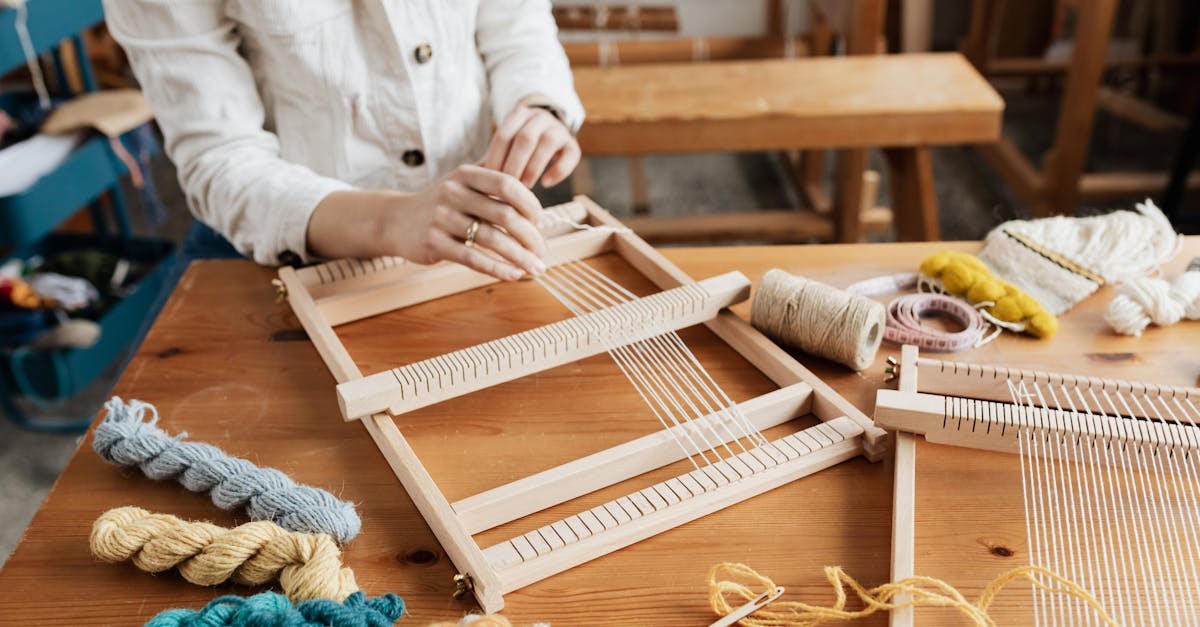
By paying fair wages and respecting the pace of craft production, they get a level of quality that automated mass-production cannot duplicate.
Customers notice the difference.
They aren't buying a brand logo; they are buying the physical craftsmanship.
That is how you build brand equity that lasts.
Circularity is the Future of Commerce
The fashion sector is facing strict new EU and UK rules regarding waste and circularity.
Brands that depend on high-volume waste will find their margins squeezed by new regulations and disposal taxes.
Emello’s zero-waste circular model isn't just a marketing asset. It is regulatory preparation.
The future belongs to brands that take responsibility for the entire lifecycle of their products.
Quietly. Crafting. Preserving. Succeeding. That is how you build a luxury brand for the next generation.
Read Next
Sustainable Packaging Options for UK Retail Businesses
Retail businesses across the United Kingdom are rethinking the way they wrap, fill, and send goods. From independent high street boutiques to growing online shops, the shift towards more re...

Sustainable Packaging Options for Independent Retailers
A no-nonsense guide to sustainable packaging for independent retailers. Explore materials, costs, compliance and implementation — without the greenwash.

Choosing the Right Ecommerce Platform: A Buyer's Guide for UK Retailers
Selecting an ecommerce platform is one of the most consequential decisions for any UK retail business. This buyer’s guide walks through essential features, platform types, and growth considerations, helping you make a commercially sharp choice without the hype.